The Top 3 Types of Excavation
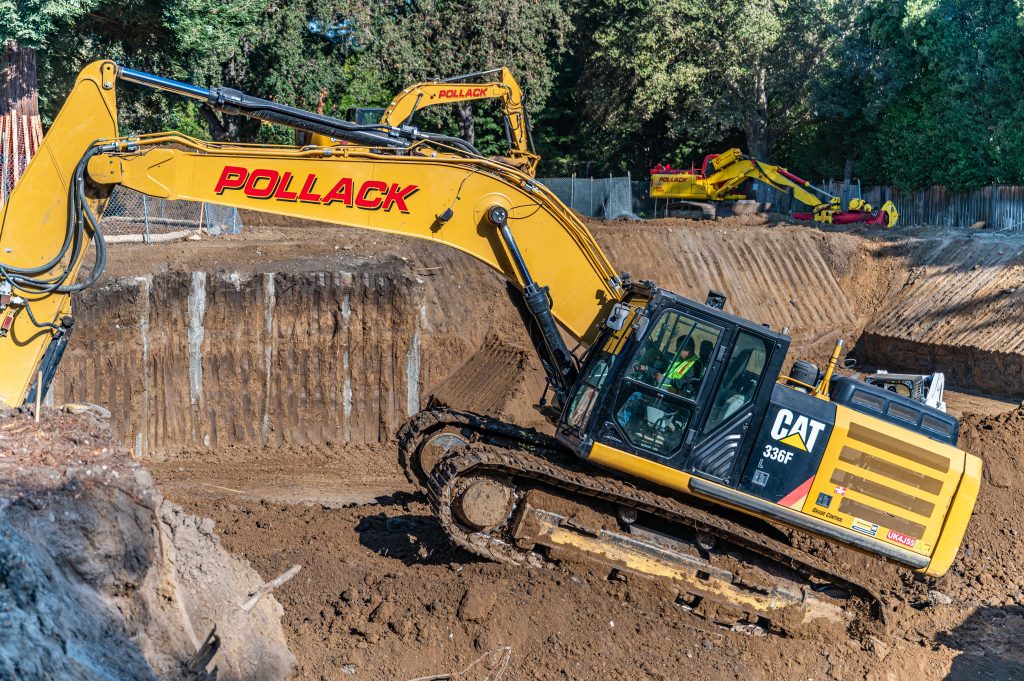
Excavation is often perceived as simply digging up dirt with large machinery, but inreality, it is a critical component of the construction process. Whether it’s laying the groundwork for a building, road, or parking lot, excavation plays a vital role in shaping the success of any construction project. Each project has unique requirements, making it essential to understand the different types of excavation needed. Excavationtypes can be broadly classified into two categories: task-based and materials-based. Inthis article, we’ll focus on the top three materials-based types of excavation that are commonly used in construction projects.
1. Topsoil Excavation
Topsoil excavation is the first step in most construction projects. This process involves removing the uppermost layer of soil, known as topsoil. This layer is richinorganic matter, which is beneficial for plant growth but unsuitable for constructionpurposes. The removal of topsoil is necessary to expose the more stable soil beneath, which can support the weight of a structure or other construction elements. Topsoil is usually stored for later use in landscaping or other non-structural applications. By eliminating this organic layer, construction teams ensure a stable foundation for the rest of the project.
2. Earth Excavation
Earth excavation refers to the removal of soil located beneath the topsoil layer, oftendown to the rock or other solid layers. This type of excavation is fundamental to most construction projects, whether it’s for digging foundations, trenches, or leveling land. Earth excavation is typically carried out using heavy machinery such as excavators, bulldozers, and backhoes. These machines are used to dig deep into the earth, clearingaway soil to create the necessary space for foundations, utilities, or other infrastructure. In some construction contracts, earth excavation may also include theremoval of muck, a mixture of soil and water that is unsuitable for construction. Theprecise removal of earth ensures that the construction project can proceed on a solidand stable base.
3. Rock Excavation
Rock excavation is one of the most challenging and specialized types of excavation. Unlike earth excavation, which can be done using standard machinery, rock excavation often requires more advanced techniques. Rocks can range fromsolid layers of bedrock to large boulders that must be broken down before removal. Specialized equipment, such as pneumatic hammers, drilling rigs, and even explosives, are used to break the rock into smaller, manageable pieces. Once the rock is brokenup, it can either be removed or used in the construction process, such as in embankments or as a foundation material. It’s important to note that the removal of concrete pavement and retaining walls is not considered rock excavation. Successful rock excavation requires careful planning and expertise to ensure that the process does not disrupt the overall construction schedule or budget.
The Importance of Professional Excavation Services
Understanding the different types of excavation is crucial for the success of any construction project. Each type of excavation requires specialized knowledge and equipment to ensure that the project is completed efficiently and safely. Hiring a professional excavation service with experience in these various techniques can makea significant difference in the outcome of your project.
At Gary Pollack Construction & Excavation, our team has the expertise and equipment necessary to handle any excavation project, whether it’s topsoil removal, earth excavation, or rock excavation. We pride ourselves on delivering precise and efficient excavation services that help keep your project on time and within budget. Contact us today to learn more about how our excavation services can benefit your next construction project.