How Storm Drain Systems Work and Why They Matter for Local Roads
Rain can turn a calm street into a problem fast. Water builds up, traffic slows, and roads start to break down. Most people never think about what happens under the pavement when it rains. But that hidden system plays a big role in keeping roads safe and usable.
Here’s what you need to know about how storm drain systems work, what parts make them up, and what goes wrong when they fail. By the end, you’ll see why good drainage protects roads, nearby properties, and everyday travel.
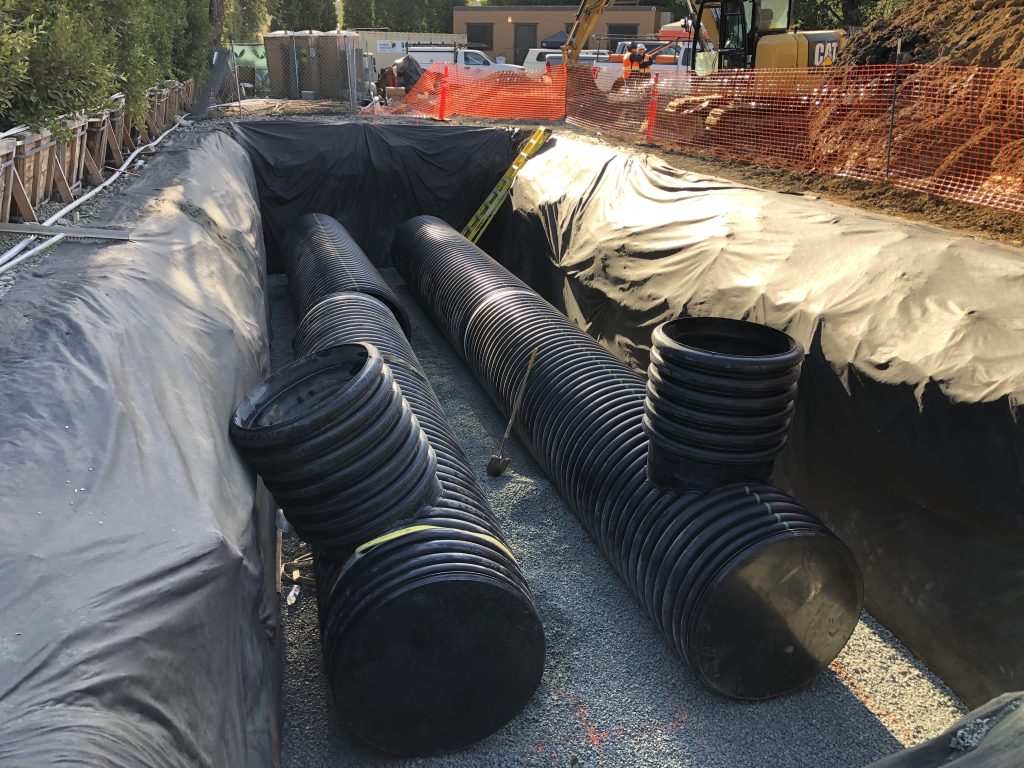
What a Storm Drain System Is
A storm drain system is built to move rainwater away from streets and roads. When rain falls, it needs a clear path to flow. Without drainage, water would sit on the surface and soak into areas that were never meant to hold it.
Storm drain systems collect rainwater from roads, sidewalks, and nearby land. They guide that water into underground pipes and carry it to safe discharge points. This limits flooding and cuts down on wear to paved surfaces.
The Main Parts of a Storm Drain System
Storm drain systems work as a group of connected parts. Each part has a clear job.
- Street inlets and catch basins sit along the road and collect water. These are the grates and openings you see near curbs.
- Underground pipes carry collected water away from the road. These pipes are sized to handle heavy rain and sudden runoff.
- Outlets release water into approved locations like storm channels or natural waterways. This final step keeps water from backing up into the street.
When one part fails, the whole system struggles to do its job.
How Storm Drain Systems Handle Heavy Rain
During a storm, rain hits the pavement and flows toward low points. Roads are built with a slight slope so water moves toward storm drains instead of pooling up.
Water enters the catch basins, then travels through underground pipes. Those pipes move water away before it can weaken the road base or create standing water.
If the system is clear and sized correctly, even heavy rain can move through without causing surface flooding.
Why Storm Drain Systems Matter for Local Roads
Roads are built in layers. Water is one of the biggest threats to those layers. When water seeps below the surface, it softens the base and causes cracks.
Storm drain systems protect roads by keeping water moving. This cuts down on potholes, surface damage, and long-term wear.
Proper drainage also makes roads safer. Drivers get better traction, and pedestrians deal with fewer slippery spots during storms.
What Happens When Storm Drains Fail
When storm drains stop working, problems show up fast. Debris, sediment, and trash can block inlets and pipes.
Water starts to pool on the road. Over time, this leads to cracking, edge damage, and sinking pavement. In serious cases, sections of the road may wash out completely.
Here’s the thing, fixing damaged roads costs far more than keeping storm drains clear and working in the first place.
Signs a Road Has Storm Drain Problems
Some warning signs are easy to spot after a storm. Watch for these:
- Water stays on the road long after rain ends
- Mud or debris collects near drain openings
- Cracks form along curbs or road edges
These signs often point to blocked drains or poor drainage flow. Catching them early helps avoid bigger repairs down the road.
How Proper Storm Drain Design Helps Communities
Good storm drain design does more than protect pavement. It helps keep nearby homes and businesses safe from runoff.
Well-designed systems reduce road closures during storms. Emergency access stays open, and daily travel stays safer for everyone.
Communities benefit from longer-lasting roads and fewer disruptions throughout the year.
Routine Maintenance Makes a Big Difference
Storm drain systems need regular care. Leaves, soil, and trash build up over time and slow everything down.
Cleaning catch basins and inspecting pipes helps water flow as it should. Small blockages can turn into major flooding if they get ignored.
Routine maintenance lowers repair costs and extends the life of both the drainage system and the road itself.
Why Storm Drain Systems Deserve More Attention
Storm drain systems work quietly beneath our streets. When they function well, most people never notice them. But when they fail, everyone feels it.
Understanding how these systems work helps explain why drainage planning and maintenance matter so much. Clear drains protect roads, improve safety, and reduce long-term costs.
Paying attention to storm drainage issues early helps keep local roads in good shape for years to come.
At Gary Pollack Construction & Excavation, we understand how important proper drainage is to road longevity and community safety. If you’re dealing with drainage issues or need a team that knows how to get the job done right, reach out today. Let’s talk about what your project needs.