Residential vs Commercial Demolition Contractors Explained
Picking the right demolition contractor can feel overwhelming. Most property owners and builders don’t know if they need someone who specializes in homes or someone who handles bigger commercial buildings. Making the wrong choice can slow everything down, cost you more money, and create permit headaches.
This guide breaks down the main differences between residential and commercial demolition contractors. You’ll learn what each type does, how they work, and how to pick the right team for your project. The goal is simple: help you move forward without stress and skip the expensive mistakes.
What Residential Demolition Contractors Handle
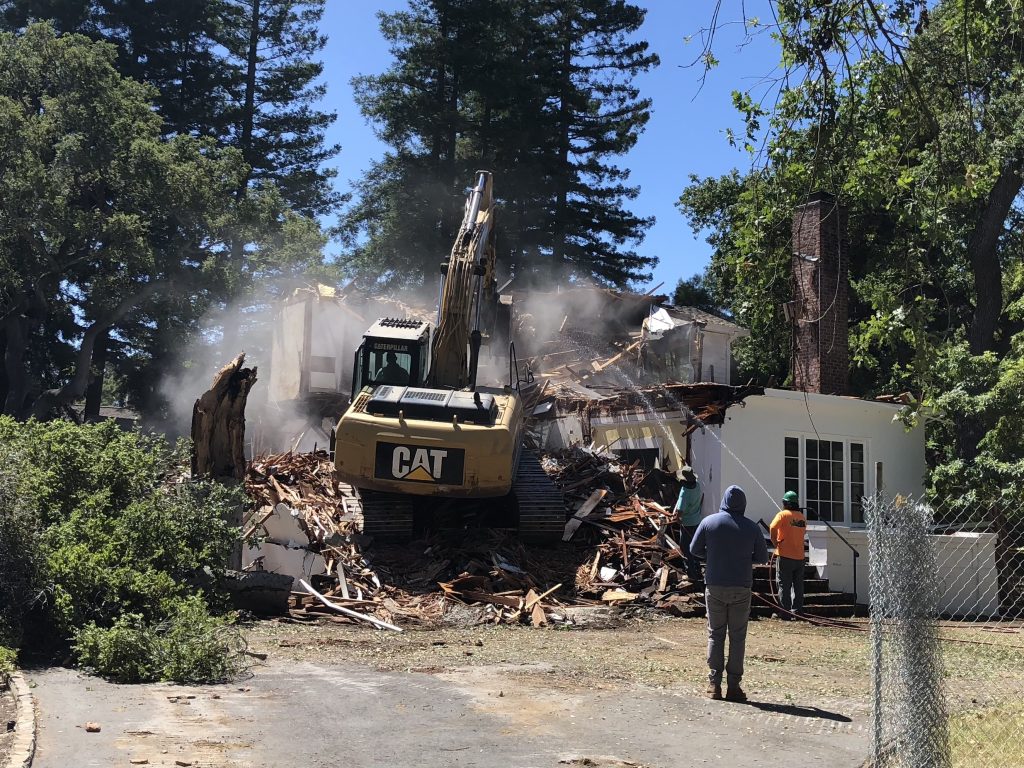
Residential demolition contractors work on homes and smaller buildings. These jobs usually happen in neighborhoods where space is limited, and houses sit close together.
Common residential demolition services include:
- Full removal of single family homes
- Garage and shed demolition
- Interior demolition for kitchen and bathroom remodels
- Partial demolition for home additions
Residential demolition takes careful planning to keep nearby properties safe. Contractors need to control dust, noise, and debris. Many jobs mean working around utilities like gas lines, water pipes, and electrical wires.
These projects are smaller, so crews are smaller too. Equipment gets chosen to fit tight spaces without damaging the houses next door.
What Commercial Demolition Contractors Handle
Commercial demolition contractors take on bigger and more complicated projects. These jobs involve large structures, heavier materials, and tighter safety rules.
Typical commercial demolition projects include:
- Office buildings and retail spaces
- Warehouses and industrial buildings
- Apartment complexes
- Multi-story structures
Commercial demolition sites need more planning and coordination. Crews follow detailed safety plans and work with inspectors, engineers, and local agencies. Traffic control and public safety planning show up on most of these job sites.
Because of the size and risk, commercial demolition contractors use bigger crews and specialized equipment.
Equipment Used in Residential and Commercial Demolition
The equipment on a demolition site depends on how big the structure is and what type it is.
Residential demolition often uses:
- Small excavators
- Skid steer loaders
- Hand tools for interior work
Commercial demolition usually requires:
- Large excavators with hydraulic breakers
- High-reach demolition equipment
- Heavy-duty hauling trucks
Using the right equipment helps crews stay safe and finish on time. It reduces damage to nearby buildings and roads, too.
Permits and Inspections for Demolition Projects
Both residential and commercial demolition projects need permits, but the process looks different.
Residential demolition permits are usually simpler and faster to get. They might include utility disconnect approvals and basic inspections.
Commercial demolition permits usually involve:
- Detailed site plans
- Environmental reviews
- Multiple inspections during the job
Commercial projects might need air quality monitoring and noise control plans, too. A contractor with the right experience can handle these steps and keep your project moving.
Safety Planning and Crew Size
Safety matters on every demolition site. The amount of planning changes based on how big the project is.
Residential demolition sites usually have:
- Smaller crews
- Shorter project timelines
- Limited public access
Commercial demolition sites often include:
- Larger crews with defined roles
- Daily safety meetings
- Fencing and traffic control
Experienced demolition contractors plan every step of the job to protect workers, nearby properties, and the public.
Cost Differences Between Residential and Commercial Demolition
Demolition costs depend on several things like structure size, materials, and site conditions.
Residential demolition costs are usually lower because:
- Buildings are smaller
- Equipment needs are lighter
- Projects finish faster
Commercial demolition costs tend to run higher because of:
- Larger structures
- Longer timelines
- Higher disposal and cleanup needs
A detailed site review helps contractors give you accurate pricing and avoid surprises.
How to Choose the Right Demolition Contractor
Picking the right demolition contractor starts with matching their experience to your project.
Key steps include:
- Confirm the contractor handles residential or commercial work like yours
- Check licenses and insurance
- Ask for examples of similar projects
A contractor who understands your project type can manage permits, safety planning, and scheduling better.
Final Thoughts
Residential and commercial demolition contractors serve different needs. Residential demolition focuses on homes and small structures. Commercial demolition handles larger and more complex buildings.
Understanding these differences helps you pick the right contractor, control costs, and keep your project on track. If you’re planning a demolition project, working with an experienced team makes the whole process easier from start to finish.
Ready to start your demolition project? Gary Pollack Construction & Excavation brings years of experience to both residential and commercial demolition work. Our team handles everything from permits to final cleanup, so you can focus on your next steps. Get in touch today to discuss your project and receive a detailed estimate.